Featured
Table of Contents
Organizations that adopt a tactical technique to APIs may not fully benefit from its advantages. Organizations currently welcoming design-led API concepts are well-positioned to shift to API-first, particularly if APIs are deeply integrated into their operations.
An API-first technique is ideal for microservices architectures since it makes sure application environments begin as modular and recyclable systems. By emphasizing APIs early on, the structure of API requests and data are highlighted. This allows the API to provide what developers require most and avoids spending designer time on features that later end up being unwanted.
For enterprises, APIfirst often indicates faster time to market since it's easier to update and change backend services. In addition to increased production speed, taking an APIfirst technique also produces more powerful software application. Designers can focus on design, as teams don't have to go back to square one and can reuse their APIs and code across projects.
Selecting a Modern CMS for Growth
API-first designs likewise simplify API governance, supplying more control and observability to operations groups by default. Having higher control and visibility into the API enables groups to see both the API's existing state and future potential. APIs are typically open, which gives them fantastic ability, but it likewise suggests any developer can access the API.
Centrally defining API security policies, and embedding that security across the entire API lifecycle, is necessary when producing an effective APIfirst design. And, with a securityfocused state of mind, an APIfirst model can have an even more powerful security border than previous, codefocused models. You can find out more about the significance of ensuring your APIfirst strategy does not end up being a securitylast vulnerability in the F5 blog site Recipe for Catastrophe: APIfirst with Securitylast Methods.
With API Connectivity Manager, facilities teams can deploy highperformance API entrances and designer portals. And designers can quickly publish and handle APIs and documentation or find and onboard APIs into applications. API Connectivity Manager also makes it possible for APIfirst designs by: Utilizing the OpenAPI Specification to release and automatically produce documentationProviding discrete workspaces for teams to publish and handle their servicesEmpowering designers to manage the lifecycle of their APIs and servicesAPI Connectivity Supervisor is a key part of the NGINX Secure API Connection service, which offers these advantages: Scalability Deliver uncompromised performance, reliability, and security with NGINX Plus as an API gatewayObservability Monitor API traffic throughout groups and environments to identify configuration mistakes and security threatsGovernance Guarantee consistent oversight while empowering API developers to manage their APIs with finegrained controlsSecurity Protect APIs against typical and sophisticated hazards with out-of-the-box security versus the OWASP API Security Top 10Start a 30day complimentary trial of NGINX Management Suite, which consists of API Connection Supervisor and Instance Supervisor.
How API-First Design Empowers Modern Systems
By Janet Wagner Web APIs have actually been around for nearly twenty years, however it is only in the past couple of years that the concept of "API initially" has gained traction with software teams. The variety of designers taking an API-first technique to building products is increasing. Today we thought we would introduce you to the principle of API initially and why this technique is growing in prominence.
An API-first method involves establishing APIs that correspond and reusable, which can be accomplished by utilizing an API description language to develop an agreement for how the API is supposed to act. Establishing an agreement includes investing more time considering the design of an API. It likewise frequently includes extra planning and cooperation with the stakeholders supplying feedback on the design of an API before any code is composed.
Human beings consume information through applications, frequently from several gadgets smart devices, laptops, tablets, and desktops. Numerous different kinds of devices mean various screen sizes. Organizations must construct apps that look excellent and work well throughout all gadgets. APIs enable business to break down capabilities into individual, autonomous services (aka microservices).
An API-first method permits organizations to develop APIs that serve all applications, and applications can be established and preserved efficiently for all gadgets, platforms, and operating systems. An API-first approach to building items offers numerous advantages, including but not limited to: API initially includes establishing an agreement. Developing an agreement between services that is followed by groups throughout a company allows those teams to work on numerous APIs at the exact same time.
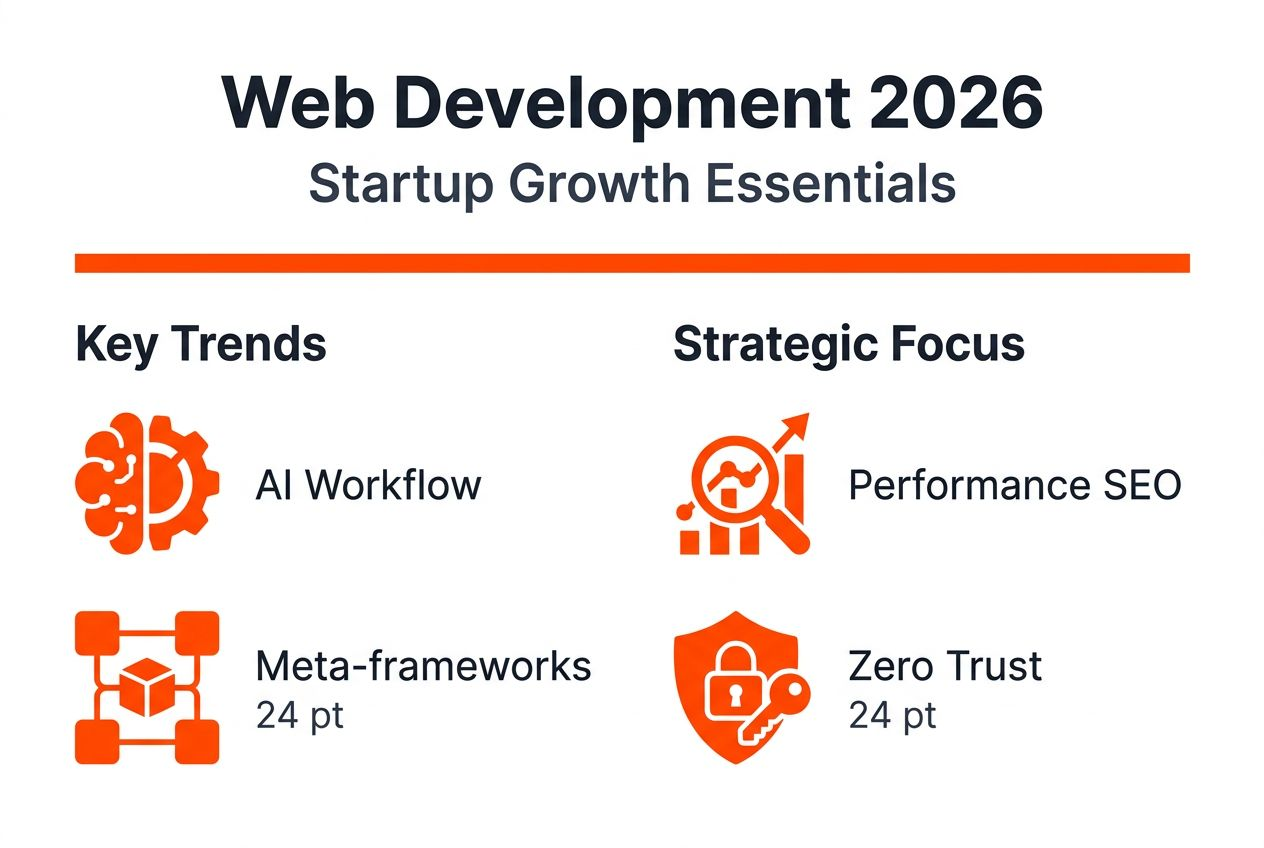
Scaling Your Digital Stack With 2026 Technologies
Teams can mock APIs and test API reliances based on the established API meaning. APIs and code can be recycled on various projects. When a development group wants to construct a new app, they do not need to go back to square one which is lengthy and pricey. API-first style likewise allows most problems to be resolved before any code is even written which helps prevent issues when it is time to integrate APIs with applications.
Tools like SwaggerHub enable import of API definition files, and with those files API tools such as API paperwork, SDKs, and mock APIs can be auto-generated. Automation substantially speeds up the advancement of APIs and applications. API initially also makes it possible to include new services and innovations to applications without having to re-architect the whole system.

Consumers of APIs are most often designers, and designer experience (DX) can make or break the success of an API. API initially ensures that designers have favorable experiences using your APIs.
Scaling Your Digital Platform With 2026 TechnologiesAPI initially reduces the danger of failure by guaranteeing that APIs are reputable, consistent, and easy for designers to utilize. Now that you understand a few of the advantages of an API-first method to item development, how should you go about preparing and carrying out an API-first method? Here are just a couple of things that ought to be part of your API-first strategy.
Scaling Your Digital Platform With 2026 Frameworks
Find out the kinds of APIs that must be constructed and which services need to be offered by means of APIs. Likewise, find out and write down the use cases for each API. Make a note of possible endpoints based upon those use cases. Who are the stakeholders within your company? As many individuals as possible should be associated with your API initiative you need company-wide buy-in and a vision that is shared by teams within your company.
Scaling Your Digital Platform With 2026 TechnologiesStakeholders can then agree on interactions across the organization so that APIs stay constant. The agreement develops a set of standards and best practices for creating APIs.

Latest Posts
Executing Future-Proof SEO Systems for 2026
Building Flexible Digital Architectures Via API-Driven Methods
A Complete Guide to Select the Best CMS